Compared to the earlier Grecian/Roman styles of art, later European depictions of the human body became more fragile and realistic. Perhaps the earlier artists had a belief in the perfection of the human body, or their subject were based off of the idea that gods were humans, yet perfect in every way shape and form. However, it remains that later eras of art brought about a stage were humans had a fair bit of realism and noticeable flaws, such as fat, scars, wrinkles, etc.
I believe that art evolved in order to better capture images of the human body, and as such, the study of the human body changed and grew in order to provide more accurate and detailed description to match these images. In the end, both expanded greatly out of a need for more detail and exactness.
Thursday, November 17, 2011

Thursday, November 10, 2011
BOW: Skeleton Gender/Race Differences
Male:
-Larger protrusions and arches (Occipital, Mastoid, Superciliary)
-More distinct Temporal Line
-Zygomatic extends beyond External Auditory Meatus (EAM)
Female:
-Zygomatic doesn't extend past EAM
-Rounded Frontal bone
-Parietal Bossing
-Smaller, less pronounced mastoid
Caucasian:
-High/Peaked Nasal Cross-section
-Rounded Sagittal Outline
-Small Degree of Facial Prothaganism
-Narrow, pointed mastoid
-Pointed Chin
Amer. Black:
-High Degree of Facial Prothaganism
-Oblique Mastoid, notable tubercle
-Elongated Sagittal Outline
-Low/Broad Nasal Cross-section
Thursday, November 3, 2011
BOW: Dead Men
The best part of dead men so far is that it reminds me of a detective novel, in the sense that all the seemingly vague and meticulous details build such a vivid picture of a person's life before they pass. In addition, while he does mention fear and emotions, Maples actually analyzes all of his experiences in such a specific and detailed way that makes you respect the man's ability to keep his head in such intense situations.
Tuesday, October 25, 2011
BOW 3: Cells = Diversity
Single cells are each individual and have a specific purpose, but developed from generalized stem cells. By being able to change into whatever purpose the body needs, cells grow and add up in order to eventually create multicellular organism diversity. The ability of cells to vary into stages create differences between humans, plants, and any living thing in between.

Above: General Cell Diagram containing various organelles
Sources:
Diagram Picture
http://www.connecticutvalleybiological.com/the-cell-unit-of-life-vhs-p-14241.html
Above: General Cell Diagram containing various organelles
Sources:
Diagram Picture
http://www.connecticutvalleybiological.com/the-cell-unit-of-life-vhs-p-14241.html
Monday, October 24, 2011
Broken Bone Treatment
General:
First, and X-Ray is taken in order to diagnose the severity and see what type of treatment would be the most practical in order to treat fracture/break. Bones must be realigned first and foremost in order to ensure the previous shape is retained. Either by anesthesia or by surgery, the bone is placed back into its former position and held in place, if necessary, by on of the following methods, although they are not all necessary, so long as the bone is held in place as it heals
Metal Plate
Placed across fracture in order to restrict movement and not allow any form of shifting or sliding of major pieces
Pins
Hold bones in place by attaching them to other bones, prevents movement, used to hold fragments to larger bone pieces
Screw
Placed through fractured pieces to keep halves together and locked in place.
Tuesday, October 11, 2011
Tissue Disease
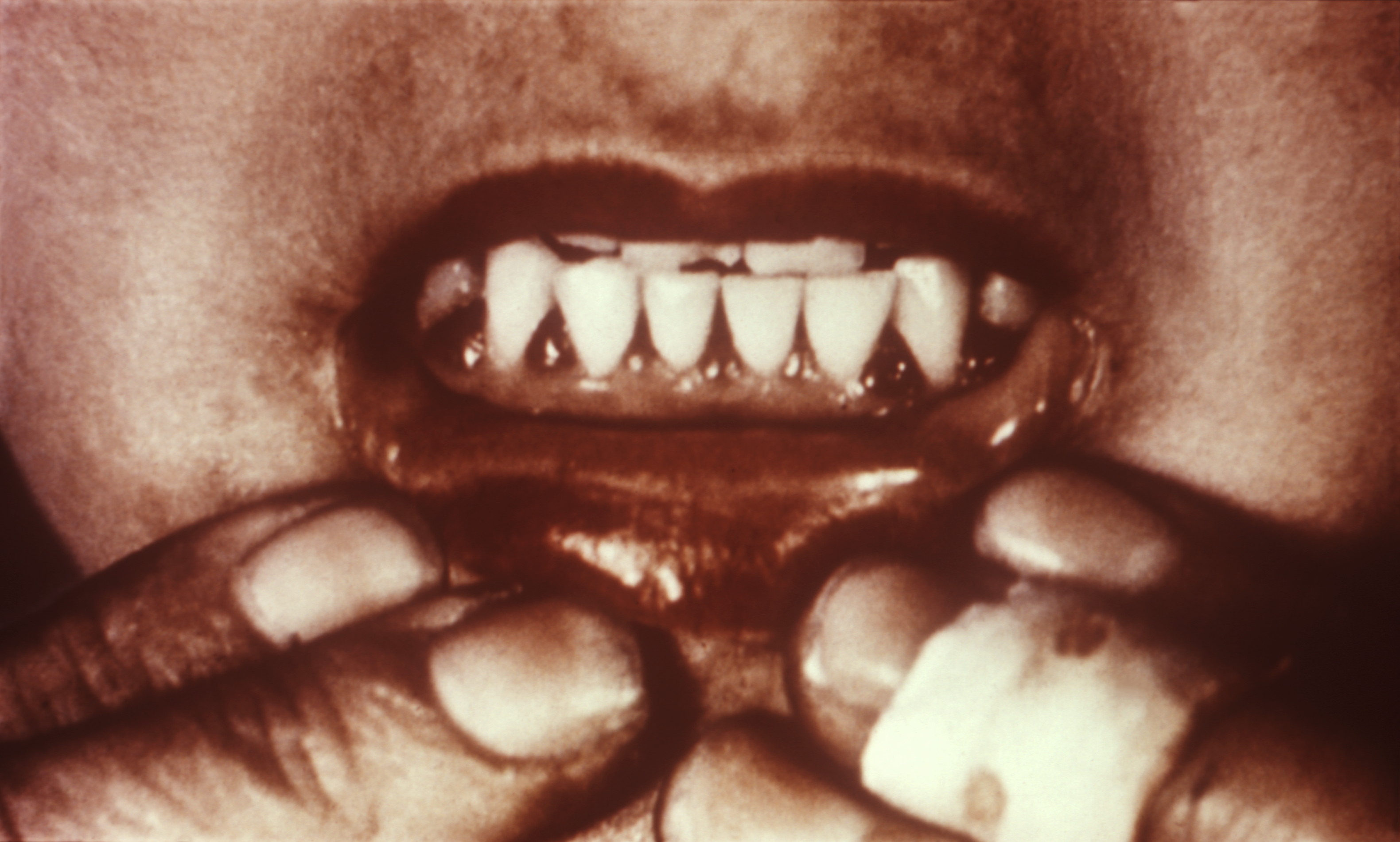
Caused by a lack of vitamin C, this disease affects the connective tissue, leading to abnormal collagen synthesis. This in turns causes people to have bleeding from the gums and other mucus membranes, as well as lethargy and malaise.
Sources:
Picture:
http://en.wikipedia.org/wiki/File:Scorbutic_gums.jpg
Info:
http://emedicine.medscape.com/article/125350-overview
Thursday, October 6, 2011
Chapter 3 Vocabulary

I feel that these are among the more important vocabulary of Chapter 3 because these are the ones that appear most often when describing tissues, their types, and their functions. In addition, these are the words that I can recall the best, both the purpose and function of each.
Subscribe to:
Posts (Atom)